The B2B Podcast Landscape Has Shifted to Video
When we launched The APG Brand Builder service, we made a deliberate choice: video-first production. This wasn't arbitrary. We've watched the podcast industry evolve over the past five years, and the data is unambiguous. B2B audiences now expect video content, platforms reward it, and the brands that embrace it see measurably better results.
The question isn't whether podcasts work for B2B. They do. The question is whether you're leaving significant growth on the table by publishing audio-only.
Video Podcasts Generate 6x More Assets Per Episode
Here's the mathematical reality of video-first production: one 45-minute episode becomes multiple content pieces that feed different channels and audiences.
When we produce a podcast episode, we extract:
- 1 full video episode (for YouTube and your website)
- 1 full audio episode (for Spotify, Apple Podcasts, and every major podcast platform)
- 1 guest intro trailer (polished teaser to promote the episode and share with the guest)
- 5 short-form clips (vertical, captioned, optimised for LinkedIn, Instagram Reels, TikTok, and YouTube Shorts)
- 3 on-brand thumbnails (tested variants for YouTube and social posts)
- Show notes (episode summary, guest bio, chapter timestamps, links)
- An SEO-optimised article version of the episode for your website blog
An audio-only production gives you one asset: the audio file. Yes, you can extract clips manually, but you lose production quality, branding consistency, and the visual storytelling that makes B2B content stick.
This matters onLinkedInspecifically. A video post generates 5x more engagement than text-only content on the platform, according to LinkedIn's own research. Your B2B audience scrolls LinkedIn during their working day. Short, punchy video clips stop them. Audio clips do not.
The Platform Reality: Video Algorithms Win
YouTube's algorithm favours watch time and click-through rate. When you publish a full-length podcast video, you're feeding the platform native content it wants to promote. YouTube considers video podcasts as legitimate content deserving algorithmic amplification.
Apple Podcasts added video support in 2021, then introduced video highlights in 2023. Spotify has been quietly investing in video podcast infrastructure. These platforms are signalling intent: the future is video-first.
If your competitors are publishing video podcasts and you're audio-only, your competitor's content receives promotional advantages across multiple platforms that your content simply cannot access.
Brand Presence and Recognition Matter in B2B
In B2B decision-making, brand familiarity accelerates the sales cycle. Research from the Forbes Agency Council shows that people retain 80% of what they see and do, versus 20% of what they read and 10% of what they hear.
Video podcasts expose your team, your personality, and your expertise in a way that audio cannot replicate. When a prospect sees your founder or key team members speaking authoritatively on video, they're building trust and recognition simultaneously. That visual recognition matters when they're comparing you to competitors at the consideration stage.
Audio-only podcasts abstract away the human element. Your prospect hears your voice, but they don't see your credibility signalled visually. In B2B, that's a missed opportunity.
When Audio-Only Still Makes Sense
We're not dismissing audio-only podcasts entirely. There are legitimate scenarios where audio production is the right choice:
- Your audience is primarily mobile commuters who listen during drives (though many commuters also watch YouTube)
- You have zero budget for video production equipment or editing
- Your guest speakers are unwilling to appear on camera
- Your content is highly technical and visuals add no value (rare in B2B)
- You're testing the podcast format before investing in video infrastructure
Even in these scenarios, we'd argue for starting video-first but with a clear exit strategy if the effort becomes untenable. The data still points toward video generating better ROI.
The APG Approach: 5 clips Per Episode
Our video-first methodology at APG produces five short-form clips per episode. Here's why that number matters:
One episode yields six distinct LinkedIn posts. Six opportunities for your network to see your content. Six different audience segments might engage with different clips based on their interests. A prospect might see clip one, miss clips two through five, then see clip six and finally visit your website.
Audio-only production gives you one LinkedIn asset per episode (if you're disciplined enough to create one). Video-first gives you six.
These clips are edited for platform-specific dimensions, include captions (critical for B2B audiences watching at work with sound off), and feature consistent branding that reinforces your identity with every view.
"Video-first podcast production isn't a luxury. It's the standard for brands serious about B2B authority."
Book a 30-minute strategy call with APG. No pitch, just a clear plan for your podcast.
Recognition in the Market: The Irish Podcast Awards
Our video-first approach has been recognised at the Irish Podcast Awards, validating that this methodology delivers production quality that peers and industry bodies recognise. We're not claiming to have invented video podcasts, but we are claiming to have systematised the production process in a way that makes it repeatable, scalable, and cost-effective for B2B brands.
That recognition matters because it signals to your audience that you're serious about production quality. A professionally produced video podcast is an artefact of brand credibility.
LinkedIn and YouTube: The Channels That Matter Most for B2B
Your B2B audience lives on LinkedIn. They also watch YouTube at work and at home. Audio-only podcasts effectively exclude you from both platforms as primary content.
You can embed a Spotify player on your website, but that's not a distribution channel. Distribution happens where your audience already spends attention: LinkedIn, YouTube, and their podcast app of choice.
Video-first production lets you own LinkedIn and YouTube as primary distribution channels, not secondary afterthoughts. You get algorithmic reach on both platforms. You get native audience engagement rather than click-through links to external platforms.
The data from HubSpot shows that B2B marketers who use video in their strategy get 66% more qualified leads per year. That's not because video is magical. It's because video reaches people in the channels where they're already paying attention.
The Audio Component Still Matters
Video-first doesn't mean video-only. Every video podcast we produce still gets distributed to all major podcast platforms: Spotify, Apple Podcasts, Google Podcasts, and dozens of others. Your audio audience is still served. Your SEO benefits from podcast transcripts still accrue.
Video-first is additive, not subtractive. You get the audio reach plus video reach plus short-form social reach. It's a multiplication effect, not a trade-off.
The Production Workflow That Makes This Efficient
The reason video-first felt impossible five years ago is that extracting six quality clips from one episode used to require manual editing. That's changed.
Our production workflow uses a combination of shot direction during recording (to ensure visually interesting moments are captured on camera), editorial guidance during recording (to highlight quotable segments), and post-production efficiency that systematises the clip extraction process.
This means video-first production doesn't cost 6x more than audio-only. It's more expensive, yes, but the efficiency gains mean you're getting substantially more ROI per dollar spent.
Starting Your Video-First Journey
If you're currently publishing audio-only podcasts, the transition to video-first is not a complete production restart. You can integrate video recording into your existing guest interview workflow with minimal friction if you plan correctly.
If you're launching a new podcast, starting video-first from episode one is straightforward. Your equipment investment is modest: a decent camera or smartphone, ring light, and wireless microphone. Your editing workflow, if systematised, is efficient.
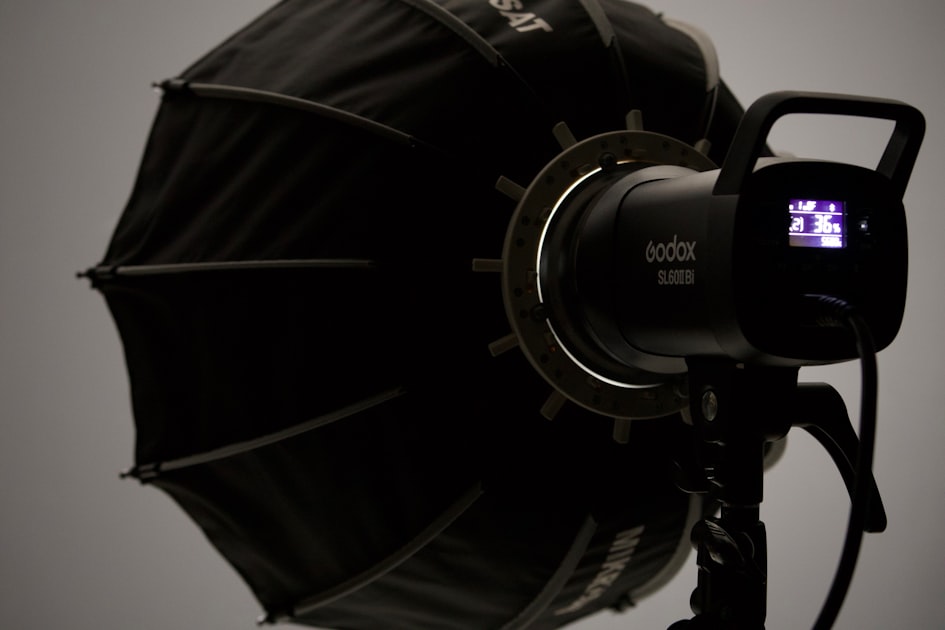
The only real barrier is mindset. Accept that you're filming, not just recording. Position your guests in a visually interesting space. Ensure adequate lighting. Direct the conversation toward visually interesting moments, not just verbally interesting ones.
These are learned skills, not innate talents. A week into video-first production, the process becomes natural.
The Question You Should Be Asking
Not "Should I do a video podcast or audio podcast." The question is "Can I afford not to capture video while I'm already gathering my guest and scheduling the interview time."
The marginal cost of adding video to your existing podcast recording session is far lower than the value it generates across YouTube, LinkedIn, and short-form platforms. The opportunity cost of not doing it is significant.
Your competitors are already video-first. Your audience expects it. The platforms reward it. The data supports it.
The only question remaining is execution. That's where we come in.
Ready to Go Video-First
If you're ready to transition your podcast to video-first production, or if you're launching a new podcast and want to start with the right approach, book a strategy call with our team. We'll walk through your current setup, your goals, and how The APG Brand Builder service can systematise video-first production for your brand.
Ready to turn your podcast into a revenue engine?
Book a 30-minute strategy call and we will show you how the APG Brand Builder works for your business.
Book a Strategy Call